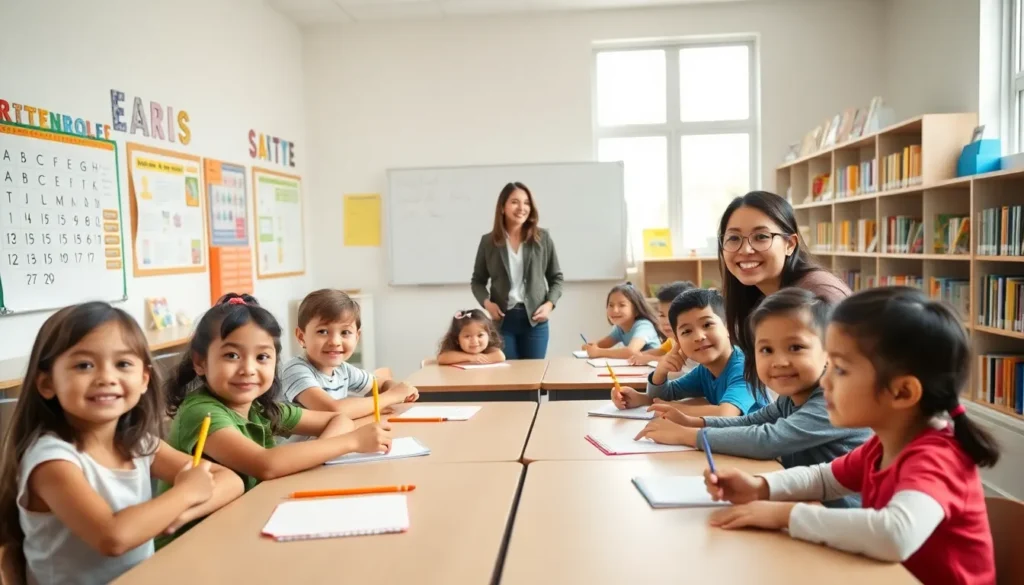

The elementary years shape how children learn, grow, and interact with the world around them. This period, typically spanning ages 5 to 11, marks a critical time for cognitive, social, and emotional development. Children build foundational skills in reading, math, and problem-solving while forming friendships and developing self-awareness.
Understanding what happens during the elementary years helps parents and educators provide better support. This guide covers key developmental milestones, practical strategies for parents, and common challenges children face during this stage. Whether a child is just starting kindergarten or preparing for middle school, these insights offer valuable direction for nurturing their growth.
Table of Contents
ToggleKey Takeaways
- The elementary years (ages 5–11) are critical for building foundational skills in reading, math, and problem-solving that shape future academic success.
- Children experience rapid cognitive growth during the elementary years, progressing from concrete thinking to abstract reasoning by fifth grade.
- Social and emotional development peaks during this stage, with kids forming meaningful friendships and developing self-awareness.
- Parents can support success by creating consistent homework routines, reading together, and staying connected with teachers.
- Common challenges like learning difficulties, social struggles, and anxiety can be addressed early with proper evaluation and intervention.
- Balancing extracurricular activities with unstructured play helps prevent burnout and fosters creativity during the elementary years.
What Are the Elementary Years?
The elementary years refer to the period when children attend elementary school, generally from kindergarten through fifth or sixth grade. In most educational systems, this covers ages 5 to 11 or 12. During this time, children transition from early childhood into the beginnings of adolescence.
This stage is defined by rapid growth across multiple areas. Children develop reading and writing skills, learn basic math concepts, and begin exploring subjects like science and social studies. They also gain independence from parents and form stronger peer relationships.
The elementary years serve as the foundation for later academic success. Research shows that children who build strong literacy and numeracy skills during this period perform better in middle school and high school. Beyond academics, kids develop critical thinking abilities and learn how to work with others.
Schools structure the elementary years around developmental readiness. Early grades focus on basic skills, while upper grades introduce more complex concepts. Teachers adjust their methods to match how children think and learn at different ages. This progression helps students build confidence as they master new challenges.
Key Developmental Milestones During Elementary School
Children hit important developmental milestones throughout the elementary years. These milestones span cognitive abilities, academic skills, and social-emotional growth. Knowing what to expect helps parents and teachers recognize progress and identify areas needing extra attention.
Cognitive and Academic Growth
During the elementary years, children’s brains develop rapidly. They move from concrete thinking to more abstract reasoning by the end of this stage. A first-grader might count on their fingers, while a fifth-grader can solve multi-step problems mentally.
Key cognitive milestones include:
- Reading fluency: Children progress from sounding out words to reading chapter books independently
- Writing skills: Students learn to express ideas in complete sentences and organized paragraphs
- Mathematical reasoning: Kids move from basic addition to fractions, decimals, and early algebra concepts
- Critical thinking: Children start questioning information and forming their own opinions
Attention span increases significantly during the elementary years. A 6-year-old might focus for 12 to 18 minutes, while a 10-year-old can concentrate for 30 to 40 minutes on engaging tasks. Memory also improves, allowing children to retain and apply more complex information.
Social and Emotional Development
The elementary years bring major changes in how children relate to others and understand themselves. Friendships become more meaningful and complex. Children develop empathy and learn to see situations from different perspectives.
Social milestones during the elementary years include:
- Forming close friendships based on shared interests
- Understanding and following social rules
- Working cooperatively in groups
- Handling disagreements without adult intervention
Emotionally, children develop greater self-awareness during the elementary years. They recognize their strengths and weaknesses. They experience a wider range of emotions and gradually learn to manage them. Self-esteem becomes tied to academic performance, social acceptance, and extracurricular achievements.
By the end of elementary school, most children have developed a clear sense of identity. They know what they enjoy, what frustrates them, and how they fit into their social world.
How Parents Can Support Their Child’s Success
Parents play a vital role in their child’s development during the elementary years. Active involvement at home complements what children learn at school. Here are practical ways parents can help their children thrive.
Create a consistent assignments routine. Set a specific time and quiet space for assignments each day. This builds discipline and reduces daily battles over schoolwork. Keep supplies nearby so children can focus without interruptions.
Read together regularly. Even after children can read independently, shared reading time matters. Discuss stories, ask questions, and explore new genres. Reading together strengthens comprehension skills and maintains a love of books throughout the elementary years.
Stay connected with teachers. Attend parent-teacher conferences and respond to school communications promptly. Teachers offer valuable insights into a child’s progress and can suggest specific ways to help at home.
Encourage curiosity. Answer questions thoughtfully. Visit libraries, museums, and parks. When children ask “why,” take time to explore answers together. Curiosity drives learning during the elementary years and beyond.
Balance activities carefully. Extracurriculars provide important growth opportunities, but overscheduling leads to stress and burnout. Children need unstructured play time to develop creativity and self-direction.
Model healthy habits. Children watch their parents closely. Demonstrate reading for pleasure, problem-solving calmly, and treating others with respect. Actions during the elementary years shape lifelong habits.
Common Challenges and How to Address Them
The elementary years aren’t always smooth sailing. Many children face challenges that affect their learning or well-being. Recognizing these issues early allows for timely intervention.
Learning difficulties: Some children struggle with reading, writing, or math even though strong effort. Signs include avoiding assignments, slow progress compared to peers, and frustration with schoolwork. If parents notice persistent difficulties, they should request an evaluation from the school. Early support through specialized instruction makes a significant difference.
Social struggles: Not every child makes friends easily. Some kids face bullying, while others simply feel like outsiders. Parents can help by arranging playdates, teaching social skills at home, and communicating concerns to teachers. The elementary years offer many opportunities to practice social interaction in safe settings.
Anxiety and stress: Academic pressure and social dynamics can trigger anxiety during the elementary years. Watch for signs like stomachaches before school, sleep problems, or excessive worry. Teaching relaxation techniques and maintaining open communication helps children manage stress. Severe anxiety may require professional support.
Attention issues: Many children struggle to sit still and focus, especially in lower grades. While some fidgeting is normal, persistent attention problems may indicate ADHD or other conditions. Teachers and pediatricians can help determine whether formal evaluation is needed.
Assignments battles: Power struggles over assignments frustrate many families. Setting clear expectations, breaking tasks into smaller chunks, and offering appropriate help without doing the work reduces conflict. Sometimes assignments struggles signal underlying learning issues worth investigating.