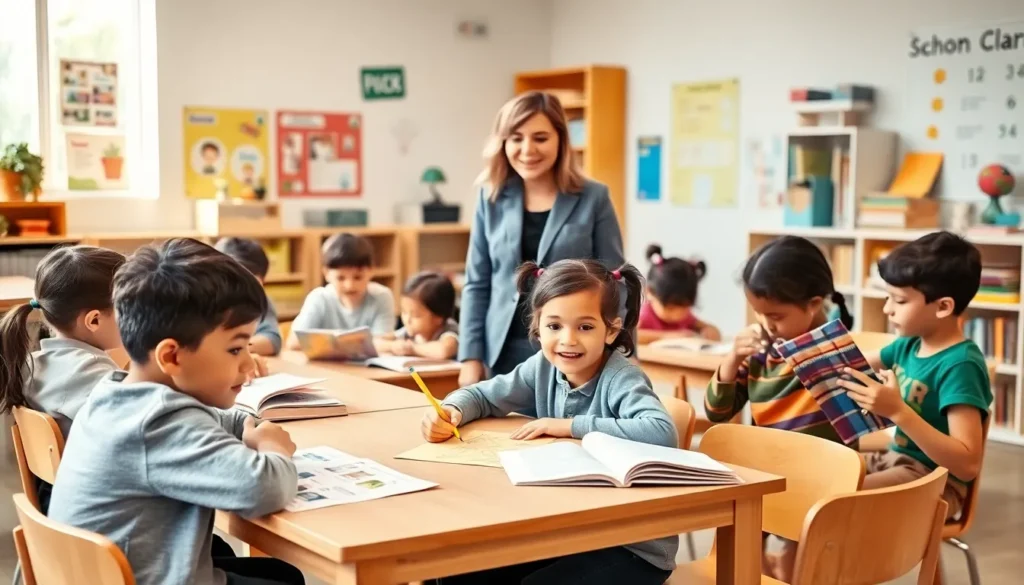

Elementary years examples help parents and educators understand what children typically achieve between ages 5 and 11. These formative years shape academic skills, social connections, and physical abilities. Children learn to read, solve math problems, make friends, and discover their interests during this stage.
This guide covers key milestones across different areas of development. It provides concrete elementary years examples that show what healthy growth looks like. Parents can use these benchmarks to support their children and celebrate their progress.
Table of Contents
ToggleKey Takeaways
- Elementary years examples span academic, social, emotional, and physical development milestones for children ages 5 to 11.
- Children progress from reading simple sentences in first grade to analyzing texts and writing multi-paragraph essays by fifth grade.
- Social skills evolve from parallel play in kindergarten to forming lasting friendships and resolving conflicts independently by upper elementary.
- Fine and gross motor skills develop steadily, supporting both physical activities and academic tasks like writing and typing.
- Extracurricular activities like sports, arts, and clubs help children discover interests and build confidence beyond the classroom.
- Parents can support elementary years development by creating consistent routines, encouraging reading, and celebrating effort over results.
Academic Milestones in the Elementary Years
Academic growth forms a core part of the elementary years. Children progress through distinct stages as they build foundational skills.
Reading and Writing
First graders typically learn letter sounds and begin reading simple sentences. By third grade, most children read chapter books independently. Fifth graders analyze texts and identify themes or author’s purpose.
Writing follows a similar path. Early elementary students write short sentences with basic punctuation. Older students compose multi-paragraph essays with clear introductions and conclusions. These elementary years examples show steady skill development.
Math Skills
Kindergartners count objects and recognize numbers up to 20. Second graders add and subtract two-digit numbers. Fourth graders multiply fractions and work with decimals. By sixth grade, students solve basic algebraic equations.
Each grade builds on previous knowledge. Teachers introduce new concepts when children show readiness. Parents can reinforce math skills through everyday activities like cooking or shopping.
Science and Social Studies
Elementary students explore the natural world through hands-on experiments. They learn about plant life cycles, weather patterns, and simple machines. Social studies lessons cover community helpers, geography, and early American history.
These subjects teach critical thinking alongside facts. Children ask questions, form hypotheses, and draw conclusions from evidence.
Social and Emotional Development Examples
The elementary years bring major changes in how children relate to others. Social skills grow alongside academic abilities.
Friendship Development
Kindergartners play alongside peers but may not form deep friendships. By second grade, children choose specific friends based on shared interests. Fourth and fifth graders develop close friendships that may last for years.
Elementary years examples of social growth include sharing toys, taking turns during games, and resolving disagreements without adult help. These skills prepare children for more complex relationships later.
Emotional Regulation
Young children often express emotions through tantrums or tears. Elementary students gradually learn to manage their feelings. They recognize when they feel angry or frustrated. They develop strategies like taking deep breaths or walking away from conflicts.
By fifth grade, most children can identify emotions in themselves and others. They show empathy when friends feel sad or upset. This emotional awareness supports healthy relationships.
Independence and Responsibility
Elementary students take on new responsibilities each year. First graders might pack their own backpacks. Third graders complete assignments without constant reminders. Fifth graders manage long-term projects and deadlines.
These elementary years examples demonstrate growing self-reliance. Children feel proud when they accomplish tasks independently.
Physical Growth and Motor Skill Development
Physical development during the elementary years affects both gross and fine motor skills. Children gain strength, coordination, and control over their bodies.
Gross Motor Skills
First graders run, jump, and climb with increasing confidence. They learn to skip, hop on one foot, and catch balls. By third grade, children ride bicycles, swim, and participate in organized sports.
Older elementary students refine these abilities. They develop better balance and coordination. Many join team sports like soccer, basketball, or baseball. These activities build strength and teach cooperation.
Fine Motor Skills
Fine motor skills involve small muscle movements. Kindergartners learn to hold pencils correctly and cut with scissors. Second graders write in cursive and tie their shoelaces. Fourth graders type on keyboards and create detailed artwork.
These elementary years examples show how physical abilities support academic tasks. Children who struggle with fine motor skills may need extra practice or occupational therapy.
Health and Nutrition
Elementary students need adequate sleep, nutrition, and exercise for optimal development. Most children require 9-11 hours of sleep each night. Regular physical activity supports brain development and emotional health.
Extracurricular Activities and Enrichment
Activities outside the classroom provide valuable elementary years examples of growth and discovery. Children explore interests and develop new skills.
Arts and Music
Many elementary students take music lessons or join school choirs. They learn instruments, read musical notation, and perform for audiences. Visual arts classes teach drawing, painting, and sculpture.
These activities build creativity and self-expression. Children gain confidence when they create something original.
Sports and Physical Activities
Organized sports teach teamwork, discipline, and perseverance. Elementary-age children often try multiple sports before finding their favorites. Some prefer individual activities like swimming, gymnastics, or martial arts.
Physical activities during the elementary years establish lifelong exercise habits. Children who enjoy movement are more likely to stay active as adults.
Clubs and Organizations
Schools and communities offer various clubs for elementary students. Science clubs, coding groups, and book clubs match different interests. Scouting programs teach outdoor skills and community service.
These enrichment opportunities help children discover passions beyond academics. They also provide social connections outside the classroom.
Supporting Your Child Through the Elementary Years
Parents play a crucial role in elementary years development. Simple strategies can make a significant difference.
Create Consistent Routines
Children thrive with predictable schedules. Set regular times for assignments, meals, and bedtime. Routines reduce stress and help children feel secure.
Encourage Reading at Home
Reading together strengthens literacy skills and parent-child bonds. Visit libraries regularly. Let children choose books that interest them. Discuss stories and ask questions about characters and plots.
Stay Involved in School
Attend parent-teacher conferences and school events. Review assignments and communicate with teachers about concerns. Children perform better when parents show interest in their education.
Celebrate Effort, Not Just Results
Praise children for hard work and persistence. Avoid focusing only on grades or achievements. This approach builds resilience and a growth mindset.
Allow Unstructured Play
Free play develops creativity and problem-solving skills. Children need time to explore, imagine, and create without adult direction. Balance structured activities with open-ended playtime.