
Elementary years trends 2026 are reshaping how children learn, play, and grow. Schools across the country are adopting new methods that prioritize student well-being and academic success in equal measure. Parents and educators now face exciting opportunities to support young learners in fresh ways.
This year brings significant shifts in classroom design, technology use, and curriculum focus. From personalized learning platforms to outdoor classrooms, elementary education looks different than it did just a few years ago. Understanding these elementary years trends 2026 helps families and teachers prepare students for a changing world.
Table of Contents
ToggleKey Takeaways
- Elementary years trends 2026 prioritize personalized learning through AI-powered tools that adapt to each student’s pace and skill level.
- Social-emotional learning (SEL) programs are now central to elementary education, helping students manage stress, build relationships, and improve academic performance.
- Outdoor and nature-based education is becoming mainstream, with schools adding garden classrooms, forest programs, and extended recess time.
- STEM integration spans all subjects, with coding instruction starting as early as kindergarten and maker spaces encouraging hands-on problem-solving.
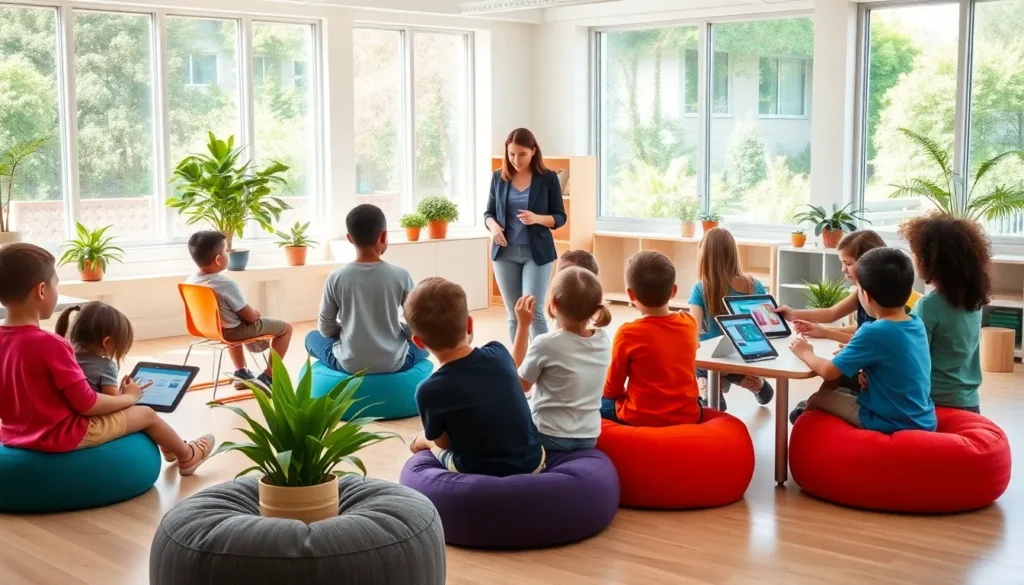
- Flexible classroom environments featuring adaptable seating, quiet zones, and natural elements are replacing traditional desk rows to support diverse learning styles.
- Parent portals and real-time progress reports strengthen the home-school connection, making it easier for families to support their children’s education.
Personalized Learning Through Technology
Technology now allows teachers to meet each student where they are. Adaptive learning software tracks individual progress and adjusts lessons in real time. Students who struggle with fractions get extra practice problems. Those who excel move ahead to new challenges.
Elementary years trends 2026 show a strong push toward AI-powered tutoring tools. These programs identify learning gaps and suggest targeted activities. Teachers use dashboards to monitor class-wide patterns and individual needs.
Tablets and laptops remain common, but schools now emphasize balance. Most districts limit screen time to specific learning activities. Students still use pencils, paper, and hands-on materials for much of the day.
Parent portals give families real-time access to student progress. Many platforms send weekly reports showing completed assignments and skill mastery. This transparency helps parents support learning at home.
One notable shift involves reading instruction. Several popular programs now use voice recognition to assess fluency. Students read aloud to a device that provides instant feedback on pronunciation and pacing.
Social-Emotional Learning Takes Center Stage
Schools are placing greater emphasis on emotional intelligence. Social-emotional learning (SEL) programs teach students to identify feelings, manage stress, and resolve conflicts. These skills support both academic performance and personal development.
Elementary years trends 2026 reflect growing research on childhood mental health. Studies show that students with strong SEL skills perform better on tests and have fewer behavioral issues. They also form healthier relationships with peers and adults.
Many schools now start each day with a morning meeting. Students share feelings, set goals, and practice active listening. These short sessions build classroom community and give teachers insight into student well-being.
Mindfulness practices have become standard in many districts. Students learn breathing exercises and simple meditation techniques. Teachers report that these activities reduce classroom disruptions and improve focus.
School counselors play an expanded role in 2026. They lead small-group sessions on topics like friendship skills, dealing with disappointment, and managing anger. Some schools hire additional counselors to meet growing demand.
Outdoor and Nature-Based Education
Outdoor learning has moved from the margins to the mainstream. Elementary years trends 2026 show more schools creating garden classrooms, nature trails, and outdoor learning spaces. Research supports this shift, students who learn outside show improved attention and reduced stress.
Forest schools and nature-based programs continue to grow in popularity. Some districts offer weekly outdoor education days. Others integrate nature lessons into standard subjects like science and art.
School gardens serve multiple purposes. Students learn biology by planting seeds and observing growth cycles. They practice math by measuring garden plots and calculating harvest yields. Many schools donate produce to local food banks, teaching civic responsibility.
Recess policies are changing too. More schools extend outdoor play time and add unstructured activities. Loose parts play, where children build with sticks, rocks, and other natural materials, encourages creativity and problem-solving.
Climate education connects outdoor learning to global issues. Students study local ecosystems and discuss environmental stewardship. These lessons help children understand their role in protecting the planet.
STEM Integration Across Subjects
STEM subjects no longer exist in isolation. Elementary years trends 2026 emphasize cross-curricular connections. Math problems appear in social studies lessons. Science concepts pop up during reading time. Art projects incorporate engineering principles.
Coding instruction starts early in many districts. Students as young as kindergarten learn basic programming logic through games and simple apps. By third grade, many create their own simple programs and animations.
Robotics clubs and competitions have expanded at the elementary level. Schools invest in age-appropriate kits that teach mechanical concepts and teamwork. Students design, build, and test their creations in friendly competitions.
Data literacy receives new attention in 2026. Even young students learn to read graphs, interpret charts, and ask questions about information. These skills prepare them for a data-rich world.
Maker spaces provide hands-on STEM experiences. These dedicated areas contain 3D printers, building materials, and craft supplies. Students design solutions to real problems and learn from failure. Teachers guide the process but encourage student-led exploration.
Flexible Classroom Environments
Traditional rows of desks are disappearing. Elementary years trends 2026 favor flexible seating and adaptable spaces. Students might sit on wobble stools, floor cushions, or standing desks depending on the activity.
Classroom furniture now moves easily. Teachers rearrange spaces for group work, individual study, or whole-class instruction within minutes. This flexibility supports different learning styles and keeps students engaged.
Quiet zones give students a place to decompress. Many classrooms include reading nooks, calm corners, or sensory areas. Students learn to recognize when they need a break and use these spaces appropriately.
Natural light and plants improve classroom environments. Schools invest in larger windows and add greenery to learning spaces. Research shows these elements boost mood and concentration.
Noise management becomes easier with sound-absorbing materials. Rugs, acoustic panels, and soft furnishings reduce classroom volume. Students can hear teachers clearly without straining.