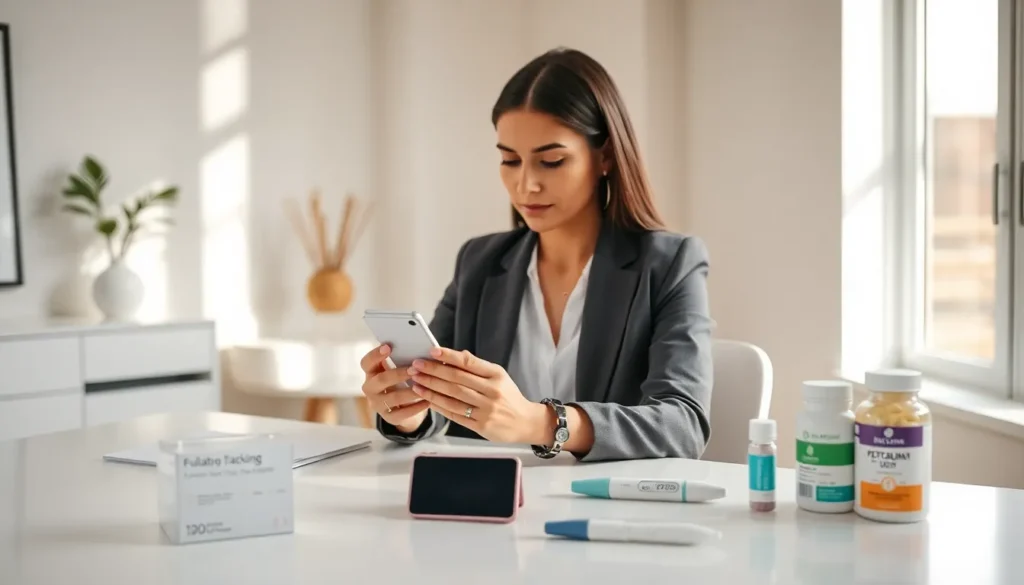

Trying to conceive tools can make the difference between months of guesswork and a clear path toward pregnancy. Couples who understand their fertility window have significantly higher success rates. The right resources help identify peak ovulation days, track cycles with precision, and optimize overall reproductive health.
This guide covers the most effective trying to conceive tools available today. From ovulation predictors to fertility apps, at-home testing kits to wellness resources, each category serves a specific purpose in the conception process. Whether someone is just starting their fertility journey or has been trying for several months, these tools provide actionable data and support.
Table of Contents
ToggleKey Takeaways
- Trying to conceive tools like ovulation predictor kits and fertility apps help couples identify their fertile window and time intercourse for the best chance of pregnancy.
- Basal body temperature tracking and cervical mucus monitoring are low-cost methods that reveal ovulation patterns over time.
- At-home fertility tests for both women and men provide lab-quality insights into hormone levels, ovarian reserve, and sperm health without a clinic visit.
- Connected ovulation monitors and wearable trackers offer precise, automated data collection—especially helpful for women with irregular cycles.
- Lifestyle factors matter: prenatal vitamins, fertility-friendly lubricants, and stress management resources all support reproductive health during the conception journey.
Ovulation Tracking Methods
Ovulation tracking forms the foundation of most trying to conceive tools. A woman typically ovulates once per cycle, and the fertile window spans roughly six days, five days before ovulation and the day of ovulation itself. Accurate tracking increases the chances of timing intercourse correctly.
Basal Body Temperature (BBT) Tracking
Basal body temperature rises slightly after ovulation occurs. Women track this by taking their temperature each morning before getting out of bed. A sustained temperature increase of 0.5 to 1 degree Fahrenheit indicates ovulation has happened. BBT tracking works best over several cycles because it reveals patterns rather than predicting ovulation in advance.
Digital BBT thermometers offer precision to two decimal places, which matters for detecting subtle shifts. Some models sync with smartphone apps for automatic logging and chart creation.
Ovulation Predictor Kits (OPKs)
Ovulation predictor kits detect luteinizing hormone (LH) in urine. LH surges 24 to 36 hours before ovulation, giving couples a heads-up for optimal timing. Standard OPKs display two lines, a test line as dark as or darker than the control line indicates a positive result.
Advanced digital OPKs remove the guesswork by showing a clear smiley face or similar symbol. Some versions also measure estrogen levels to identify more fertile days before the LH surge.
Cervical Mucus Monitoring
Cervical mucus changes throughout the menstrual cycle. As ovulation approaches, mucus becomes clear, stretchy, and resembles raw egg whites. This type of mucus helps sperm survive and travel toward the egg. Tracking these changes costs nothing and provides daily fertility information.
Fertility Apps and Digital Tools
Fertility apps have become popular trying to conceive tools for their convenience and data analysis capabilities. These apps consolidate tracking data in one place and use algorithms to predict fertile windows.
Cycle Tracking Apps
Apps like Flo, Clue, and Ovia allow users to log period dates, symptoms, and ovulation test results. The software analyzes this information to predict future cycles and fertility windows. Many apps improve their predictions over time as they collect more user data.
Some apps integrate with wearable devices that track sleep, heart rate, and temperature. This passive data collection reduces the burden of manual logging.
Connected Ovulation Monitors
Premium trying to conceive tools include connected monitors that measure multiple hormones. The Clearblue Fertility Monitor tracks both estrogen and LH to identify high and peak fertility days. Mira and Inito offer similar functionality with smartphone connectivity and quantitative hormone readings.
These devices provide more precise data than standard OPKs. Women with irregular cycles or conditions like PCOS often find them especially useful.
Wearable Fertility Trackers
Wearable devices like Ava and Tempdrop measure physiological signs during sleep. Ava tracks skin temperature, resting pulse rate, and breathing rate to predict the fertile window. Tempdrop focuses specifically on BBT and uses an algorithm to filter out temperature fluctuations caused by movement or room temperature changes.
Wearables appeal to women who dislike morning temperature checks or frequently forget to test with OPKs.
At-Home Testing Kits
At-home testing kits give couples access to fertility information without initial clinic visits. These trying to conceive tools test various factors that affect conception.
Female Fertility Tests
At-home hormone tests measure key markers like FSH, AMH, estradiol, and thyroid hormones. Companies such as Modern Fertility and LetsGetChecked offer mail-in kits with lab-quality results. These tests help women understand their ovarian reserve and identify potential issues early.
Some kits test for conditions that affect fertility, including certain STIs and vitamin deficiencies. Early detection allows for treatment before it impacts conception efforts.
Male Fertility Tests
Male factor contributes to approximately 40-50% of infertility cases. At-home sperm tests assess sperm count and, in some cases, motility. Products like SpermCheck and YO Home Sperm Test provide results within minutes.
More comprehensive mail-in tests analyze sperm concentration, motility, morphology, and total motile sperm count. These kits offer privacy and convenience for men who prefer home testing over clinic visits.
Progesterone Confirmation Tests
Progesterone rises after ovulation and supports early pregnancy. At-home progesterone tests like Proov confirm whether ovulation occurred successfully. Low progesterone levels may indicate a luteal phase defect that could affect implantation.
Lifestyle and Wellness Tools
Lifestyle factors significantly impact fertility for both partners. These trying to conceive tools support overall reproductive health.
Prenatal Vitamins and Supplements
Prenatal vitamins containing folic acid, iron, and other nutrients prepare the body for pregnancy. Women should start prenatal vitamins at least one month before trying to conceive. Folic acid reduces the risk of neural tube defects in early pregnancy.
CoQ10, vitamin D, and omega-3 fatty acids may support egg and sperm quality. Men benefit from supplements containing zinc, selenium, and antioxidants.
Fertility-Friendly Lubricants
Standard lubricants can harm sperm motility. Fertility-friendly options like Pre-Seed, Conceive Plus, and BabyDance mimic natural cervical mucus and support sperm movement. Couples who need lubrication should choose products specifically labeled as fertility-friendly.
Stress Management Resources
Chronic stress may affect hormone levels and ovulation. Fertility-focused meditation apps, yoga programs, and counseling services help couples manage emotional pressure. Mind-body programs designed for fertility patients show promise in reducing stress and potentially improving outcomes.
Diet and Exercise Trackers
Maintaining a healthy weight improves fertility outcomes. Apps that track nutrition and physical activity help users make consistent lifestyle choices. A Mediterranean-style diet rich in fruits, vegetables, whole grains, and healthy fats supports reproductive health.