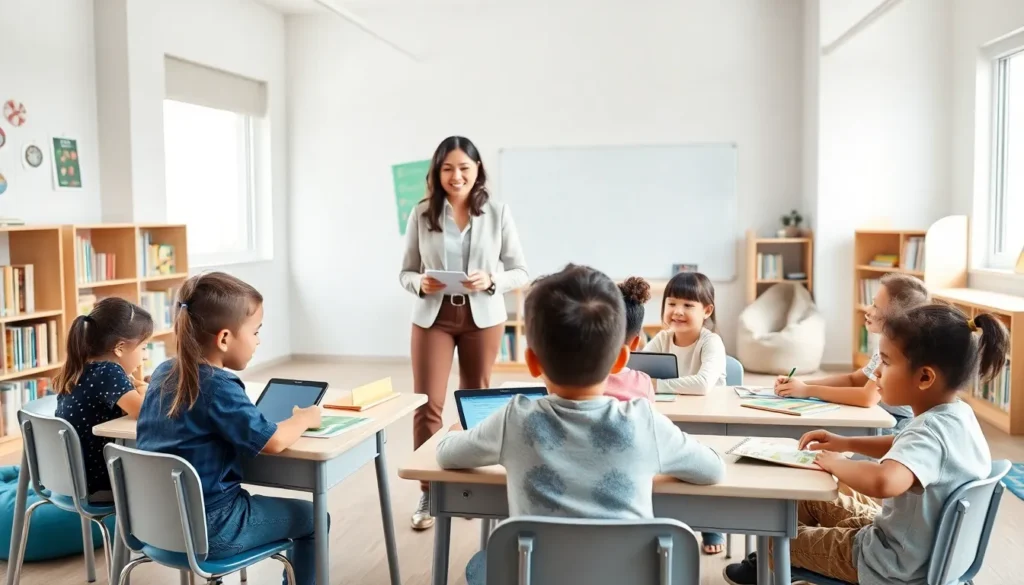

The top elementary years shape how children learn, think, and grow for the rest of their lives. These formative years, typically spanning kindergarten through fifth grade, establish the academic and social skills that students carry into middle school and beyond. Understanding what makes these years so important helps parents, teachers, and caregivers provide the right support at the right time. This guide breaks down the key stages of early academic development, explains why certain grades matter more than others, and offers practical strategies for helping young learners thrive.
Table of Contents
ToggleKey Takeaways
- The top elementary years (kindergarten through fifth grade) establish critical academic and social foundations that influence lifelong learning.
- Children who read at grade level by third grade are four times more likely to graduate high school, making early literacy a top priority.
- Reading, math, and writing skills built during elementary school unlock success across all other academic subjects.
- Social-emotional growth during the top elementary years helps children develop self-regulation, friendship skills, and emotional awareness.
- Parents can support success by reading daily with their child, creating homework routines, and maintaining open communication with teachers.
- Early interventions for reading, math, or social-emotional challenges are most effective during the elementary years before patterns become entrenched.
What Are the Elementary School Years?
The elementary school years cover ages five through eleven, or kindergarten through fifth grade in most U.S. school systems. Some districts include sixth grade, but the core elementary experience typically ends around age eleven.
During these top elementary years, children transition from learning basic skills to applying them independently. Kindergarten focuses on letter recognition, counting, and social interaction. First and second grades introduce formal reading and arithmetic. Third through fifth grades shift toward critical thinking, research skills, and more complex problem-solving.
Each grade builds on the previous one. A child who struggles with phonics in first grade may have trouble with reading comprehension in third grade. That’s why educators pay close attention to developmental milestones during these years.
The elementary school structure also introduces children to classroom routines, assignments expectations, and peer relationships. These experiences create habits that influence academic performance for years to come.
Why the Early Elementary Years Matter Most
Research consistently shows that the top elementary years, especially kindergarten through third grade, have an outsized impact on long-term academic success. Children who read at grade level by third grade are four times more likely to graduate high school than those who don’t.
Why does this window matter so much? The brain develops rapidly during early childhood. Neural pathways for language, math reasoning, and executive function form quickly between ages five and eight. Skills learned during this period become automatic, freeing mental energy for higher-level thinking later.
The early elementary years also shape attitudes toward school. A child who feels successful in first grade develops confidence. A child who struggles without support may start to believe they’re “bad at school.” These beliefs stick.
Interventions work best during these years too. Reading programs, math tutoring, and speech therapy show stronger results when started early. By fourth or fifth grade, catching up becomes harder, though never impossible.
Parents and teachers who prioritize the early elementary years give children a significant advantage. Small investments of time and attention during this period pay dividends throughout a student’s academic career.
Building Strong Foundations in Core Subjects
The top elementary years establish foundations in three core areas: reading, math, and writing. Mastery in these subjects unlocks success across all other academic disciplines.
Reading Skills
Reading instruction follows a predictable sequence. Kindergarten and first grade focus on phonemic awareness, the ability to hear and manipulate sounds in words. Second grade emphasizes fluency, or reading smoothly and at an appropriate pace. Third grade and beyond shift toward comprehension, vocabulary development, and critical analysis.
Children who read for pleasure during elementary school develop larger vocabularies and stronger comprehension skills. Even fifteen minutes of daily reading makes a measurable difference.
Math Concepts
Elementary math moves from concrete to abstract. Young students use physical objects to understand addition and subtraction. By third grade, they work with multiplication tables and fractions. Fourth and fifth graders tackle decimals, long division, and early algebra concepts.
Number sense, an intuitive understanding of how numbers work, develops during the top elementary years. Students with strong number sense solve problems more flexibly and catch their own errors.
Writing Development
Writing instruction begins with handwriting and sentence formation. By third grade, students write paragraphs with topic sentences and supporting details. Fifth graders produce multi-paragraph essays with clear organization.
The connection between reading and writing is tight. Students who read widely write more effectively. They absorb sentence structures, vocabulary, and organizational patterns without conscious effort.
Social and Emotional Growth During Elementary School
Academic skills don’t develop in isolation. The top elementary years also mark critical periods for social and emotional growth.
Children enter kindergarten with varying levels of self-regulation. Some can sit quietly during a lesson. Others need frequent movement breaks. By fifth grade, most students can manage their attention, control impulses, and follow multi-step directions without constant reminders.
Friendship patterns evolve too. Early elementary students often play with whoever sits nearby. Older elementary students form closer friendships based on shared interests and personalities. Learning to handle disagreements, include others, and manage disappointment happens through daily interactions at school.
Emotional vocabulary expands during these years. A kindergartner might say they feel “bad.” A fifth grader can distinguish between feeling frustrated, embarrassed, or anxious. This emotional awareness helps students ask for help, resolve conflicts, and cope with challenges.
Schools increasingly teach social-emotional skills directly. Programs focused on empathy, conflict resolution, and growth mindset help students develop the interpersonal skills they need for academic collaboration and life beyond school.
Children who struggle socially or emotionally during the elementary years benefit from early support. Counselors, school psychologists, and targeted interventions can address issues before they become entrenched patterns.
How Parents Can Support Success in Elementary Years
Parents play a central role in their child’s success during the top elementary years. A few consistent practices make a significant difference.
Read together daily. Even after children can read independently, shared reading builds vocabulary and strengthens the parent-child bond. Ask questions about the story. Discuss characters’ choices. Make predictions about what happens next.
Create assignments routines. Designate a quiet space and a consistent time for assignments. Stay nearby to answer questions, but let children work through problems independently first. Struggle builds learning.
Communicate with teachers. Attend parent-teacher conferences. Read newsletters and progress reports. If concerns arise, address them early. Teachers appreciate parents who stay engaged without micromanaging.
Limit screen time. The American Academy of Pediatrics recommends one to two hours of recreational screen time daily for elementary-aged children. Excessive screen use cuts into reading, outdoor play, and face-to-face interaction.
Encourage curiosity. Answer questions thoughtfully. Visit libraries and museums. Support hobbies and interests outside of school. Children who see learning as enjoyable, not just mandatory, perform better academically.
Model lifelong learning. Children notice when adults read books, pursue interests, and admit when they don’t know something. Parents who demonstrate curiosity raise curious kids.