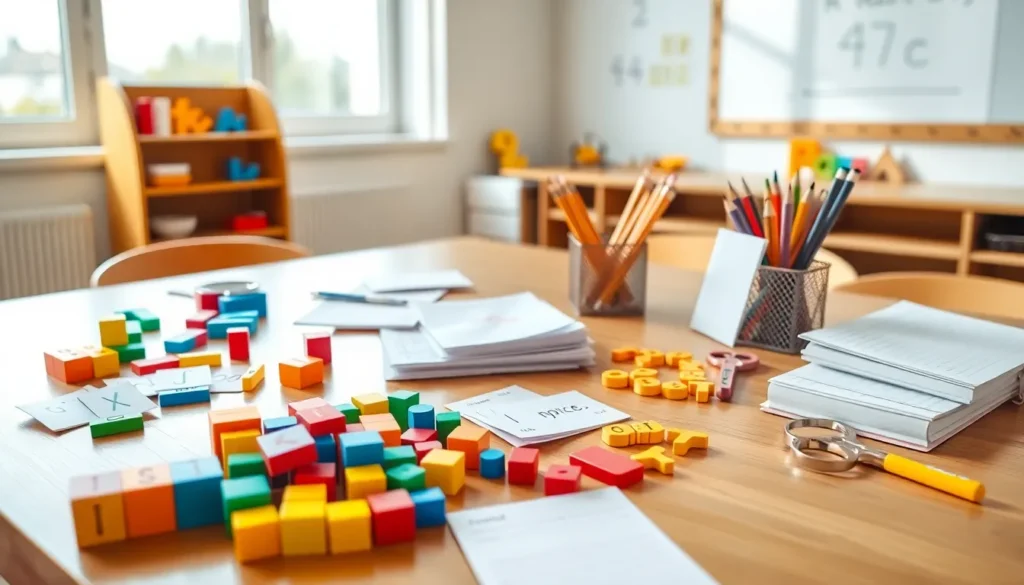

Elementary years tools shape how children learn, grow, and develop critical skills. From reading and writing basics to hands-on science experiments, the right resources make a real difference. Parents and educators often wonder which supplies truly matter during these formative years. The answer depends on learning goals, but certain tools consistently support academic success.
This guide covers the essential elementary years tools every child needs. It explores reading aids, math manipulatives, science supplies, organizational systems, and creative materials. Each category plays a specific role in building a strong educational foundation.
Table of Contents
ToggleKey Takeaways
- Elementary years tools like phonics cards, sight word flashcards, and magnetic letters build strong reading and writing foundations.
- Math manipulatives such as base ten blocks and fraction tiles turn abstract concepts into hands-on, visual learning experiences.
- Science supplies like magnifying glasses and nature journals spark curiosity and develop critical thinking skills early.
- Organizational tools including planners, folders, and timers teach children time management and responsibility habits.
- Creative materials like art supplies and building sets strengthen fine motor skills while encouraging problem-solving and self-expression.
- Consistent daily practice with the right elementary years tools produces noticeable academic improvement over time.
Core Learning Tools for Reading and Writing
Reading and writing form the backbone of elementary education. Children need specific elementary years tools to master these skills effectively.
Phonics Cards and Letter Tiles
Phonics cards help young learners connect sounds with letters. They allow children to physically manipulate letters and build words. This tactile approach reinforces memory and speeds up reading development.
Sight Word Flashcards
Sight words appear frequently in children’s books. Flashcard practice helps kids recognize these words instantly. Regular review sessions build reading fluency over time.
Beginner Writing Journals
Writing journals give students space to practice handwriting and express ideas. Lined paper with wide margins works best for young hands. Journals also encourage daily writing habits that carry into later grades.
Pencil Grips and Ergonomic Pencils
Proper pencil grip matters more than many realize. Pencil grips and specially designed writing tools reduce hand fatigue. They also prevent bad habits that become harder to correct later.
Magnetic Letters and Whiteboards
Magnetic letters on a whiteboard turn spelling practice into a game. Kids can quickly rearrange letters to form new words. This active learning approach keeps children engaged longer than worksheets alone.
Math Manipulatives and Resources
Math manipulatives transform abstract concepts into concrete understanding. These elementary years tools help children visualize numbers, patterns, and operations.
Base Ten Blocks
Base ten blocks teach place value in a hands-on way. Students can physically group ones into tens and tens into hundreds. This visual representation clicks for learners who struggle with abstract number concepts.
Counting Cubes and Linking Blocks
Counting cubes work for addition, subtraction, and early multiplication. Children can build towers, create patterns, and compare quantities. The physical act of counting objects strengthens number sense.
Number Lines
Number lines show the relationship between numbers spatially. They help with skip counting, addition, and understanding negative numbers. A simple number line on a desk provides constant reference.
Fraction Tiles and Circles
Fractions confuse many students without visual aids. Fraction tiles let children physically compare halves, thirds, and fourths. Seeing that two fourths equal one half makes the concept stick.
Flash Cards for Math Facts
Math fact fluency speeds up all later mathematics. Flash cards for addition, subtraction, multiplication, and division build automaticity. Even five minutes of daily practice produces noticeable results.
Science and Exploration Supplies
Science sparks curiosity and teaches critical thinking. The right elementary years tools turn children into active investigators.
Magnifying Glasses
A simple magnifying glass opens up a new world. Children can examine leaves, insects, rocks, and everyday objects. This close observation builds scientific thinking skills.
Basic Microscopes
Entry-level microscopes suit older elementary students. They can view cells, pond water, and prepared slides. Even affordable models reveal details invisible to the naked eye.
Nature Journals
Nature journals combine science with writing and art. Students sketch plants, record weather observations, and document seasonal changes. This practice encourages careful observation over time.
Simple Lab Equipment
Test tubes, beakers, and measuring cups support basic experiments. Children learn to measure, mix, and record results. Safety goggles teach proper lab habits early.
Magnet Kits
Magnets fascinate children and teach physics concepts. Kids can test magnetic attraction, explore poles, and create simple experiments. These hands-on activities make science memorable.
Organization and Study Tools
Good organization habits start in the elementary years. These tools help children manage their work and develop responsibility.
Folders and Binders
Color-coded folders keep subjects separate and papers organized. Children learn to file completed work and locate assignments quickly. This system prevents lost assignments and teaches accountability.
Planners and Calendars
Age-appropriate planners introduce time management skills. Students can record assignments, track due dates, and plan study time. Even simple weekly calendars help younger children understand schedules.
Desk Organizers
A tidy workspace reduces distractions during assignments time. Desk organizers hold pencils, scissors, and supplies within reach. Children learn that an organized space supports focused work.
Timers
Timers help children manage study sessions and break time. They work well for timed math drills and reading practice. Visual timers show time passing, which helps younger students understand duration.
Creative and Hands-On Materials
Creativity and fine motor development deserve attention alongside academics. These elementary years tools support artistic expression and practical skills.
Art Supplies
Crayons, colored pencils, markers, and paints encourage creative expression. Art activities build fine motor control needed for writing. They also give children an outlet for emotions and ideas.
Modeling Clay and Play Dough
Clay work strengthens hand muscles and develops creativity. Children can sculpt letters, numbers, and shapes. This tactile activity appeals to kinesthetic learners especially.
Building Sets
Blocks, LEGOs, and construction sets develop spatial reasoning. Children plan, build, and problem-solve as they create structures. These skills transfer to math, engineering, and design thinking.
Scissors and Craft Tools
Cutting practice improves hand-eye coordination and control. Child-safe scissors in various styles accommodate different skill levels. Craft projects that require cutting, folding, and gluing build practical abilities.
Musical Instruments
Simple instruments like recorders, xylophones, and rhythm sticks introduce music concepts. Playing music develops listening skills and pattern recognition. Group music activities also teach cooperation and timing.