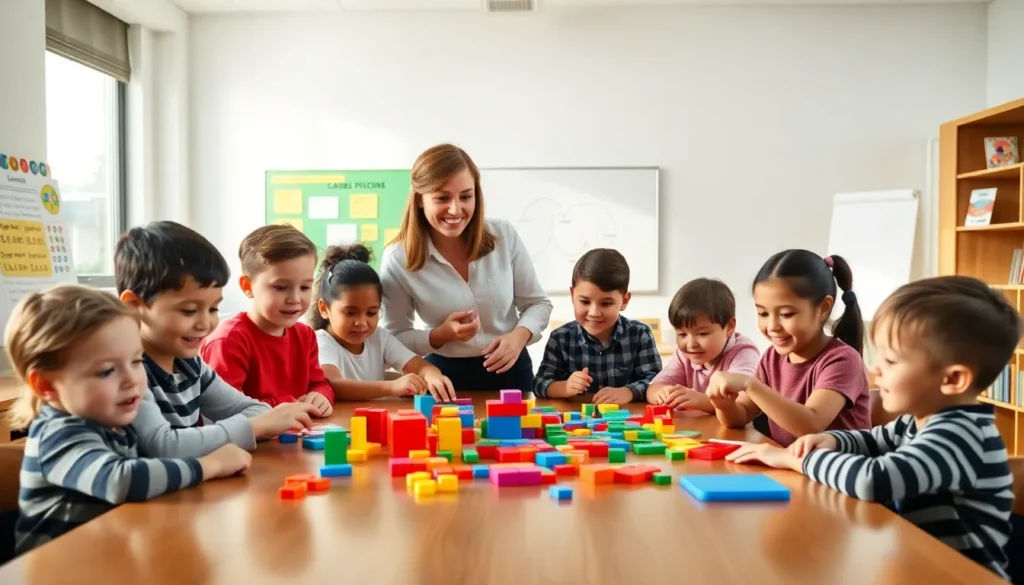

Elementary years techniques shape how children absorb knowledge, develop skills, and build confidence during their most formative school years. Children between ages five and eleven learn differently than older students. Their brains crave movement, stories, and hands-on experiences. The right teaching methods can transform a distracted child into an eager learner.
This article explores proven elementary years techniques that work in classrooms and at home. Parents and teachers will discover practical strategies backed by research. These methods help young learners thrive academically while developing essential social skills.
Table of Contents
ToggleKey Takeaways
- Elementary years techniques work best when they combine visual, auditory, and kinesthetic learning approaches to match how young minds process information.
- Children retain 90% of what they do hands-on compared to just 10% of what they read, making interactive activities essential for learning.
- Short attention spans in elementary students (15-30 minutes depending on age) require breaking lessons into smaller, manageable chunks.
- Parents can reinforce elementary years techniques at home through everyday activities like cooking, reading together, and playing strategy games.
- Social-emotional skills like self-regulation and growth mindset directly impact academic success and should be integrated into teaching methods.
- A calm, supportive environment helps children’s brains stay open to learning—stressed or anxious children struggle to absorb new information.
Understanding How Elementary Students Learn Best
Elementary students process information through multiple pathways. Their brains are still developing, which means they need variety and repetition to retain new concepts.
Research shows that young children learn best through three primary channels:
- Visual learning: Pictures, diagrams, and color-coded materials help children remember information.
- Auditory learning: Songs, rhymes, and verbal explanations stick in young minds.
- Kinesthetic learning: Physical movement and hands-on activities cement understanding.
Most elementary students benefit from a mix of all three approaches. A child might struggle with written math problems but excel when using counting blocks. Another student might memorize spelling words by singing them.
Elementary years techniques should account for short attention spans. Children aged six to eight can focus for about 15-20 minutes on a single task. By age ten, that window extends to 20-30 minutes. Teachers and parents who break lessons into smaller chunks see better results.
Emotional state also affects learning. A stressed or anxious child cannot absorb new information effectively. Creating a calm, supportive environment helps the brain stay open to learning. Elementary years techniques work best when children feel safe and encouraged.
Effective Teaching Techniques for the Classroom
Successful classrooms use a variety of elementary years techniques to reach every student. Teachers who adapt their methods see stronger engagement and better outcomes.
Scaffolding breaks complex tasks into smaller steps. A teacher might demonstrate a skill, then guide students through practice before letting them work independently. This gradual release builds confidence.
Think-pair-share encourages participation from quiet students. Children think about a question alone, discuss with a partner, then share with the class. This technique gives everyone processing time.
Graphic organizers help students structure their thoughts. Venn diagrams, story maps, and concept webs make abstract ideas concrete. Visual learners especially benefit from these tools.
Movement breaks reset attention and energy. A two-minute stretch or dance break can revive a sluggish class. Some teachers use “brain breaks” every 15-20 minutes.
Hands-On Learning and Interactive Activities
Hands-on learning remains one of the most effective elementary years techniques. Children remember 90% of what they do compared to just 10% of what they read.
Science experiments bring concepts to life. A child who grows a plant understands photosynthesis better than one who only reads about it. Math manipulatives like base-ten blocks make abstract numbers tangible.
Interactive activities include:
- Building models and dioramas
- Conducting simple experiments
- Playing educational games
- Creating art projects tied to lessons
- Acting out stories or historical events
Technology offers additional interactive options. Educational apps and games provide immediate feedback. Virtual field trips expand learning beyond the classroom walls.
Group projects teach collaboration while reinforcing content. When students work together, they explain concepts to each other. This peer teaching strengthens understanding for everyone involved.
Supporting Learning at Home
Parents play a crucial role in reinforcing elementary years techniques outside school. Home learning doesn’t require expensive materials or hours of time.
Reading together builds vocabulary and comprehension. Even children who can read independently benefit from hearing fluent reading. Discussing books develops critical thinking skills.
Everyday math happens naturally. Cooking involves fractions and measurement. Shopping teaches money skills. A road trip becomes a lesson in time and distance.
Consistent routines support academic success. A regular assignments time and quiet study space reduce daily battles. Children thrive when they know what to expect.
Parents can apply elementary years techniques through simple activities:
- Ask open-ended questions about their day
- Play board games that involve strategy and counting
- Encourage writing through journals or letters
- Explore nature and discuss observations
- Limit screen time and prioritize active learning
Communication with teachers helps parents understand current classroom methods. When home and school use similar elementary years techniques, children receive consistent reinforcement.
Patience matters more than perfection. Children learn at different paces. Celebrating small wins keeps motivation high.
Building Social and Emotional Skills
Academic success depends on social and emotional development. Elementary years techniques must address the whole child, not just cognitive skills.
Self-regulation helps children manage their emotions and impulses. Teachers use techniques like breathing exercises, calm-down corners, and feeling charts. These tools give children strategies for handling frustration.
Cooperative learning builds teamwork skills. Group projects teach children to share ideas, compromise, and resolve conflicts. These experiences prepare them for future academic and professional settings.
Growth mindset encourages resilience. Children who believe they can improve through effort try harder and bounce back from setbacks. Praising effort rather than innate ability fosters this mindset.
Elementary years techniques for social-emotional learning include:
- Morning meetings to build community
- Role-playing social situations
- Teaching conflict resolution steps
- Recognizing and naming emotions
- Practicing empathy through literature
Children who develop strong social skills perform better academically. They collaborate more effectively, ask for help when needed, and persist through challenges.
Emotional vocabulary gives children words for their experiences. A child who can say “I feel frustrated” instead of acting out has taken a major developmental step. Elementary years techniques that build this vocabulary serve children for life.