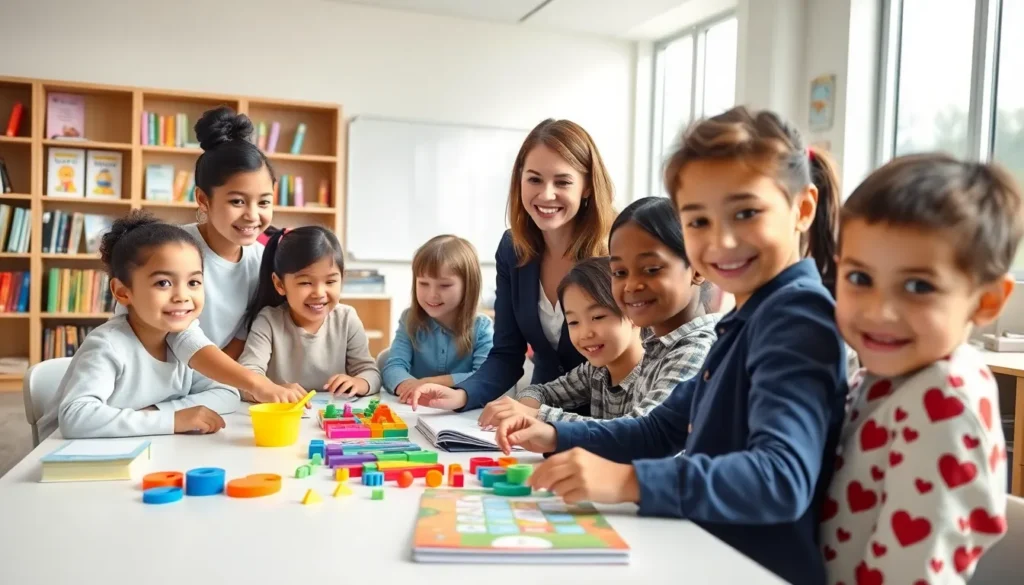

Elementary years strategies shape how children learn, grow, and connect with the world around them. Between ages five and eleven, kids develop critical academic skills, form lasting friendships, and build the confidence they’ll carry into middle school and beyond.
Parents and educators who understand this stage can make a real difference. The right approach helps children thrive, not just in reading and math, but in problem-solving, self-regulation, and social awareness. This article covers practical elementary years strategies that support the whole child, from classroom techniques to at-home habits that reinforce learning.
Table of Contents
ToggleKey Takeaways
- Elementary years strategies should adapt to each developmental stage, from hands-on learning for ages 5–7 to encouraging autonomy for ages 10–11.
- Active learning techniques like movement, discussion, and hands-on activities help children retain information better than passive listening.
- Building social and emotional skills—including emotional regulation, friendship, and a growth mindset—is just as important as academic achievement.
- Parents can reinforce elementary years strategies at home by creating consistent routines, staying involved without hovering, and limiting screen time.
- Prioritizing 9–12 hours of sleep and daily physical activity supports attention, memory, and overall brain development in elementary-age children.
Understanding Developmental Stages in Elementary School
Children change dramatically during their elementary school years. A first grader thinks and behaves very differently from a fifth grader. Recognizing these shifts helps adults set realistic expectations and choose age-appropriate strategies.
Early Elementary (Ages 5–7)
Young learners in kindergarten through second grade focus on foundational skills. They learn to read, write basic sentences, and understand number concepts. At this stage, children think concretely, they need hands-on activities and visual aids to grasp new ideas.
Attention spans are short, typically 10–15 minutes. Effective elementary years strategies for this age group include frequent breaks, movement-based learning, and plenty of repetition. Kids this age also crave routine and clear expectations.
Middle Elementary (Ages 8–9)
By third and fourth grade, children can handle more abstract thinking. They start to read for information rather than just learning to decode words. Math moves beyond basic operations into multiplication, division, and early fractions.
Social dynamics become more important during these years. Friendships grow deeper, and peer opinions start to matter. Elementary years strategies at this stage should balance academic challenge with social development.
Upper Elementary (Ages 10–11)
Fifth and sixth graders prepare for the transition to middle school. They can work more independently, manage longer assignments, and think critically about what they read. Some children enter puberty during this period, which affects mood, energy, and focus.
Strategies for upper elementary students should encourage autonomy while maintaining structure. These kids benefit from goal-setting exercises, self-reflection activities, and opportunities to take ownership of their learning.
Effective Learning Strategies for Academic Success
Academic success in elementary school depends on more than intelligence. The strategies students use, and the habits they build, matter just as much.
Active Learning Techniques
Passive listening rarely works for young learners. Children retain more when they interact with material. Effective elementary years strategies include:
- Hands-on activities: Science experiments, math manipulatives, and art projects make abstract concepts concrete.
- Discussion and questioning: Asking children to explain their thinking deepens understanding.
- Movement: Brain breaks and kinesthetic learning help kids stay focused and process information.
Reading and Literacy Development
Reading forms the foundation for all other subjects. Children who struggle with reading often fall behind in science, social studies, and even math word problems.
Elementary years strategies for literacy include daily reading practice, varied text types, and vocabulary instruction. Parents can support this by reading aloud at home, even with older children who can read independently. Hearing fluent reading models good expression and introduces new words in context.
Math Fluency
Math anxiety starts early. When children feel lost or frustrated, they often decide they’re “just not a math person.” The best elementary years strategies build confidence through gradual skill progression and real-world applications.
Games work well for math practice. Board games, card games, and digital apps make repetition feel fun rather than tedious. Children should also see math in everyday life, measuring ingredients, counting money, or calculating how many days until a special event.
Building Social and Emotional Skills
Academic skills alone don’t predict success. Children also need social and emotional competencies to work with others, manage frustration, and persist through challenges.
Emotional Regulation
Elementary-age children experience big emotions but often lack the tools to manage them. Effective elementary years strategies teach kids to identify feelings, pause before reacting, and choose constructive responses.
Simple techniques include deep breathing, counting to ten, and using “I feel” statements. Teachers often create calm-down corners where students can regroup. At home, parents can model emotional regulation by talking through their own feelings.
Social Skills and Friendship
Friendship skills develop throughout elementary school. Young children play side by side, then gradually learn to cooperate, compromise, and resolve conflicts.
Adults can support this growth by creating opportunities for social interaction, playdates, group projects, and team activities. When conflicts arise, coaching children through problem-solving builds long-term skills. Avoid solving problems for them: instead, ask questions that guide them toward solutions.
Growth Mindset
Children who believe they can improve through effort outperform those who think ability is fixed. Elementary years strategies that promote growth mindset include praising effort over results, treating mistakes as learning opportunities, and teaching that the brain grows stronger with practice.
Supporting Your Child at Home
What happens outside school matters as much as classroom instruction. Parents play a key role in reinforcing elementary years strategies at home.
Create a Consistent Routine
Children thrive with predictability. A consistent schedule for assignments, meals, and bedtime reduces stress and frees mental energy for learning. Assignments should happen at the same time and place each day, with necessary supplies ready.
Stay Involved Without Hovering
Research shows that parent involvement improves academic outcomes. But there’s a balance. Helicopter parenting can undermine confidence and motivation.
Effective involvement looks like asking about school, reviewing assignments (not doing it), and attending school events. Parents should show interest in learning itself, not just grades.
Limit Screen Time
Excessive screen time correlates with attention problems, poor sleep, and reduced physical activity. The American Academy of Pediatrics recommends consistent limits and screen-free zones during meals and before bed.
Educational apps and programs can support learning, but they shouldn’t replace hands-on play, reading, and face-to-face interaction.
Prioritize Sleep and Physical Activity
Elementary-age children need 9–12 hours of sleep per night. Sleep deprivation affects attention, memory, and mood. Physical activity also supports brain development and helps children manage energy and stress.
Simple elementary years strategies include establishing a calming bedtime routine and building active play into daily life.