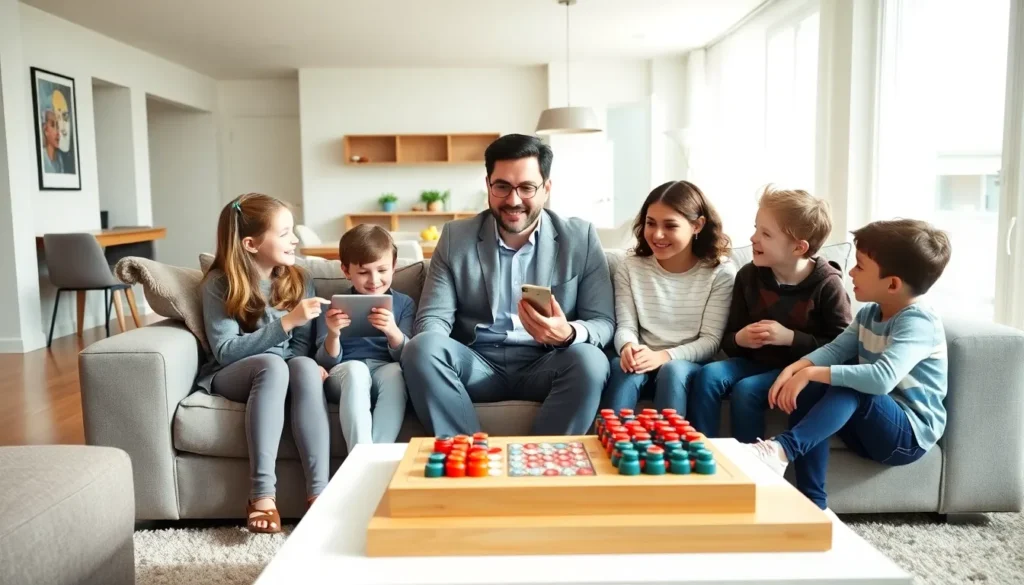

Authoritative parenting trends 2026 are shaping how families approach child-rearing in meaningful ways. Parents today want clear boundaries combined with warmth and understanding. The coming year will bring fresh approaches to screen time, emotional development, and family structure. These shifts reflect broader cultural changes and new research on child psychology. This guide explores the key authoritative parenting trends 2026 will bring and how they’ll affect families everywhere.
Table of Contents
ToggleKey Takeaways
- Authoritative parenting trends 2026 emphasize tech-balanced approaches, including co-viewing, digital wellness tools, and teaching digital citizenship early.
- Emotional intelligence and mental health are becoming top priorities, with parents practicing emotion coaching and normalizing open conversations about feelings.
- Flexible structure replaces rigid rules, allowing parents to maintain clear expectations while adapting to each child’s developmental stage and circumstances.
- Family meetings and choice architecture empower children to participate in decisions while building autonomy within healthy boundaries.
- Community and co-parenting approaches are expanding, with parents leveraging extended family, school partnerships, and parent networks for collaborative child-rearing.
The Rise of Tech-Balanced Parenting
Technology plays a central role in children’s lives. Authoritative parenting trends 2026 show a strong focus on finding healthy tech boundaries. Parents aren’t banning devices outright. Instead, they’re creating structured approaches that teach kids self-regulation.
Screen time rules are becoming more nuanced. Many families now distinguish between passive consumption (watching videos) and active engagement (learning apps, creative tools). This distinction helps children understand that not all screen time is equal. Parents set clear expectations about when and how devices can be used.
Co-viewing is gaining popularity. Parents watch shows or play games alongside their children. This practice opens conversations about content and builds connection. It also gives parents insight into what their kids find interesting or concerning.
Digital wellness tools are now standard in authoritative households. Families use apps to track usage, set automatic shutoffs, and monitor online activity. These tools support the authoritative approach because they provide structure without requiring constant supervision.
Tech-free zones remain important. Dining tables, bedrooms, and family gathering spaces often stay device-free. These boundaries help children develop face-to-face communication skills and strengthen family bonds.
Authoritative parenting trends 2026 also include teaching digital citizenship early. Parents explain online safety, privacy, and respectful communication. Children learn these concepts alongside traditional manners and social skills.
Emphasis on Emotional Intelligence and Mental Health
Mental health awareness has reshaped authoritative parenting trends 2026. Parents now prioritize emotional intelligence as much as academic success. This shift reflects growing evidence that emotional skills predict long-term wellbeing and achievement.
Emotion coaching is a core practice. Parents help children name their feelings, understand triggers, and develop coping strategies. Instead of dismissing big emotions, authoritative parents validate them while teaching appropriate expression.
Open conversations about mental health are becoming normal. Families discuss anxiety, stress, and sadness without stigma. Children learn that seeking help is a sign of strength. Parents model this by talking about their own emotional experiences in age-appropriate ways.
Mindfulness practices are entering family routines. Brief meditation sessions, breathing exercises, and gratitude practices help children build emotional regulation skills. These activities often happen at bedtime or during transitions between activities.
Authoritative parenting trends 2026 include proactive mental health support. Parents don’t wait for problems to appear. They schedule regular check-ins with children and connect with counselors or therapists as needed. Prevention matters as much as intervention.
Play-based emotional learning is on the rise. Board games, role-playing, and storytelling teach children about empathy, conflict resolution, and perspective-taking. These activities feel fun while building crucial life skills.
Parents also pay attention to their own mental health. They recognize that stressed or burned-out caregivers struggle to provide consistent, warm parenting. Self-care isn’t selfish, it’s essential for maintaining an authoritative approach.
Flexible Structure in a Changing World
Authoritative parenting trends 2026 show movement toward flexible structure. This means maintaining clear expectations while adapting to individual needs and circumstances. Rigid rules are giving way to responsive guidelines.
Family schedules reflect this flexibility. Parents create routines that provide predictability without becoming inflexible. Bedtimes might have a range rather than an exact minute. Assignments expectations adjust based on the child’s stress levels or special circumstances.
Choice architecture is a growing technique. Parents offer children options within predetermined boundaries. A child might choose between two acceptable dinner options or decide the order of completing chores. This approach builds autonomy while maintaining parental guidance.
Consequences are becoming more natural and logical. Instead of arbitrary punishments, authoritative parents connect outcomes to actions. A child who misuses a privilege temporarily loses access to it. The lesson connects directly to the behavior.
Authoritative parenting trends 2026 also acknowledge different developmental stages. What works for a toddler won’t work for a teenager. Parents adjust their level of control and explanation based on the child’s age and maturity. This responsiveness defines authoritative parenting.
Family meetings are gaining traction. Regular sit-downs give everyone a voice in household decisions. Children learn negotiation and compromise. Parents demonstrate that their authority includes listening and adjusting when appropriate.
Remote work has permanently changed family dynamics. Many parents have more flexibility in their schedules. This allows for increased involvement in daily routines and school activities. Authoritative parenting benefits from this presence and availability.
Community and Co-Parenting Approaches
Authoritative parenting trends 2026 extend beyond the nuclear family. Parents recognize that raising children works better with community support. This shift moves away from isolated parenting toward collaborative approaches.
Co-parenting communication tools are now standard. Divorced and separated parents use apps to share schedules, expenses, and updates. These tools reduce conflict and help maintain consistent authoritative approaches across households. Children benefit from unified expectations.
Extended family involvement is increasing. Grandparents, aunts, uncles, and cousins play active roles in child-rearing. Authoritative parents welcome this support while setting clear boundaries about discipline and decision-making.
Parent networks provide practical and emotional resources. Online communities and local groups connect families facing similar challenges. Parents share strategies, offer encouragement, and hold each other accountable. These networks make authoritative parenting less isolating.
School partnerships are stronger. Authoritative parents communicate regularly with teachers and administrators. They view education as a collaboration rather than a service. This relationship helps reinforce consistent expectations between home and school.
Authoritative parenting trends 2026 include shared childcare arrangements. Some families create informal cooperatives where parents take turns supervising groups of children. This builds social skills while giving parents needed breaks.
Mentorship programs connect children with trusted adults outside the family. Coaches, tutors, and community leaders provide additional guidance and support. Authoritative parents carefully select these mentors and stay involved in the relationships.